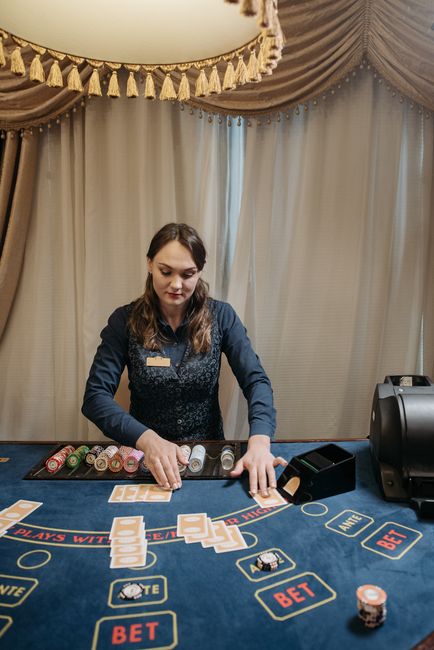


You're one click away from your next spin, hand, or bet. But in a sea of flashing banners and bonus promises, how do you separate signal from noise? Whether you're a seasoned grinder or a curious newcomer, the iGaming world rewards those who understand the mechanics behind the curtain. Let's cut through the hype and talk about what actually matters.
Modern slots are engineering marvels—Random Number Generators (RNGs) spinning thousands of outcomes per second. But unlike the physical machines of old, online slots come with volatility settings that can make or break your session. Low volatility slots like Starburst pay smaller amounts frequently, ideal for stretching a bankroll. High volatility beasts like Book of Dead can go hundreds of spins without a win, then explode with a 5,000x payout.
Here's a concrete tip: check the RTP (Return to Player) listed in the game info. Anything below 96% is below average. Some slots, like 1429 Uncharted Seas, boast 98.6%—but they're rare. Also, look for win both ways or expanding wilds mechanics; they genuinely shift the math in your favor.
Don't chase progressive jackpots unless you understand the trade-off. Those mega millions come with RTPs often as low as 85% on the base game. You're paying for the dream, not the odds.
If slots are the casino's heartbeat, poker is its brain. Unlike pure chance games, poker rewards decision-making. But the learning curve is steep. Start with No-Limit Texas Hold'em—it's the most popular and has the most resources.
Three concepts separate winners from donors:
Online poker adds another layer: tracking software like Hold'em Manager. It's legal on most sites (check terms) and shows you exactly how often opponents fold to 3-bets or c-bet the flop. That data is gold.
Betting isn't about picking winners; it's about finding value. A team can win 9 out of 10 games and still be a bad bet if the odds are too short. The key is implied probability. Decimal odds of 2.00 imply a 50% chance. If you think the true chance is 55%, that's value.
Sharp bettors focus on closing line value—did you get a better number than the final odds before the event? Consistently beating the closing line is the single best predictor of long-term profit.
Also, understand vig (vigorish). A standard -110 line on both sides means the book takes about 4.5% of the action. That's their edge. To beat it, you need a 52.4% win rate on even-money bets just to break even. That's why line shopping across multiple sportsbooks is non-negotiable. The difference between -105 and -115 over 500 bets is thousands of dollars. A good place to continue is xoilac.
You can be the best poker player or slots strategist in the world, but without bankroll discipline, you'll bust. Here's a simple framework:
Bonus abuse? Don't. Sites share databases. Get flagged and you'll find your withdrawals frozen faster than you can say "terms and conditions."
Live dealer games have exploded. Streaming from studios in Malta, Latvia, or New Jersey, real dealers spin the wheel or deal the cards. The appeal is trust—you see the ball land. But the odds are often worse than RNG versions. Live roulette might have a single zero (2.7% house edge) while some RNG wheels have double zero (5.26%). Stick to European roulette when possible.
Live blackjack is a gem if you know basic strategy. The house edge can drop to 0.5%—better than most slots by a mile. But avoid 6:5 payouts on blackjack; they increase the house edge by 1.4%. Always look for 3:2.
The iGaming landscape is shifting. In the U.S., states like New Jersey, Pennsylvania, and Michigan have robust regulated markets. Always check for a seal from a trusted authority like the UK Gambling Commission, Malta Gaming Authority, or state gaming boards. Unlicensed sites may never pay out.
Cryptocurrency casinos offer anonymity but zero recourse. If you use them, treat it like cash—you lose it, it's gone. And with AI-driven chatbots and faster payments, the industry is becoming more efficient, but the house edge remains eternal.
At the end of the day, iGaming is entertainment, not a retirement plan. The thrill of a river card, the spin of a reel, the roar of a crowd—those are real. But so is the math. Respect it, learn it, and you'll enjoy the ride a whole lot more. Remember: the best bet is the one you can afford to lose. Now go find your edge.

Zen Therapies shares practical, down-to-earth guidance on holistic therapy and mindful wellbeing for readers across the UK.


Leave A Comment